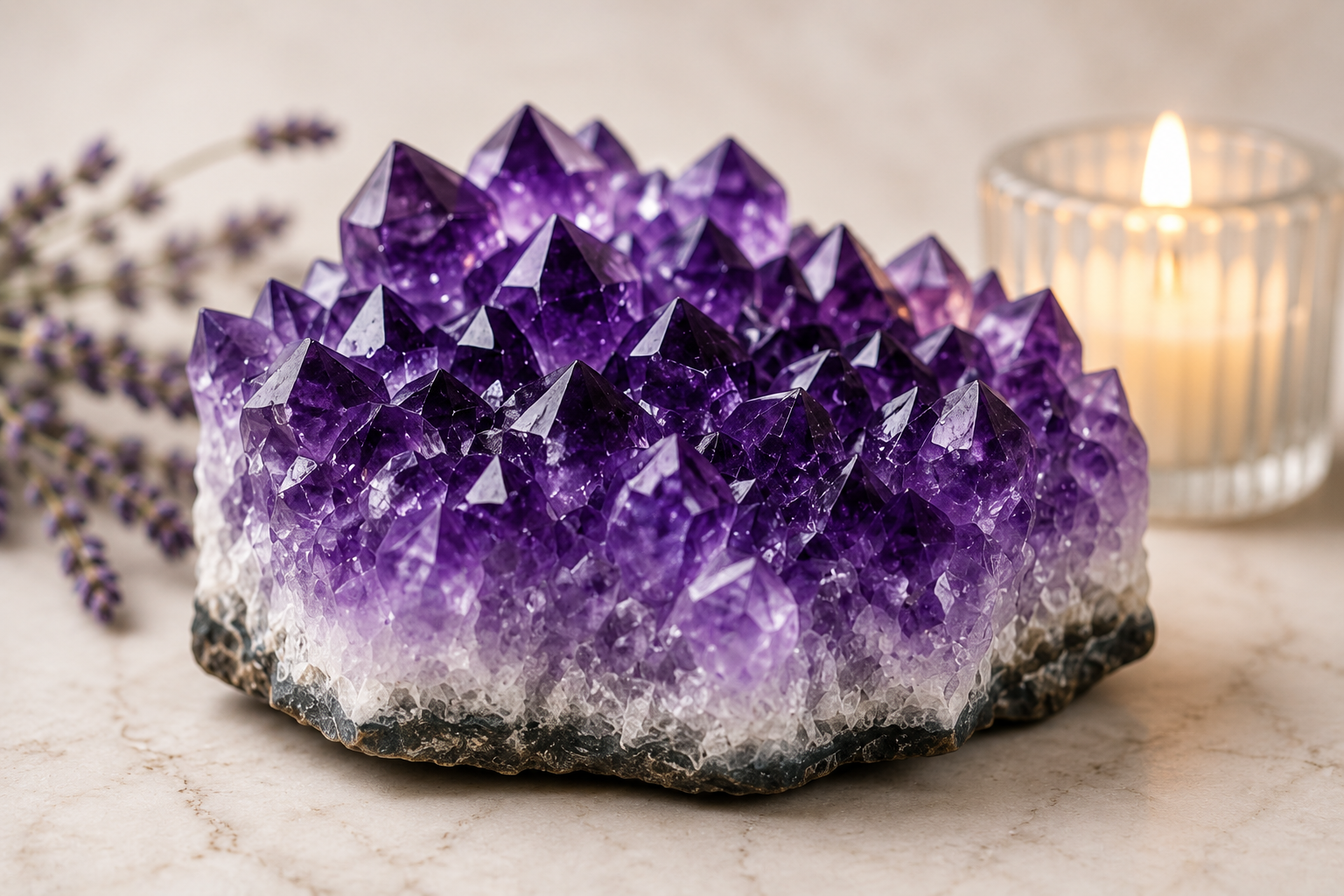
If gemstones had personalities, amethyst would be the friend who tells you to breathe. This violet-purple quartz has been the go-to stone for calm, clarity, and restful sleep for over two thousand years — and in today's overstimulated world, it's more popular than ever.
Maybe you've noticed amethyst everywhere lately: on nightstands, in meditation spaces, around the necks of people who seem to have their lives together. In this guide, you'll learn what amethyst actually means, why it earned its reputation as the "all-purpose calm stone," who benefits most from wearing it, and how to choose a genuine piece.
What Is Amethyst?
Amethyst is a variety of quartz that gets its purple color from iron impurities and natural irradiation within the crystal. Its shades range from soft lilac to deep royal violet — the deeper and more even the color, the more prized the stone.
Quick facts:
-
Mineral family: Quartz
-
Hardness: 7 on the Mohs scale — durable for everyday jewelry
-
Birthstone: February
-
Zodiac associations: Pisces, Aquarius
-
Chakra: Third eye and crown (intuition, higher awareness)
Fun fact: amethyst was once as valuable as rubies and emeralds. When massive deposits were discovered in Brazil in the 1800s, prices dropped — which means today you can own a genuinely regal stone without a regal budget.

Amethyst Meaning: The Core Symbolism
Calm and Stress Relief
Amethyst is best known as the "stone of tranquility." In crystal traditions, it's believed to soothe anxiety, quiet a racing mind, and help you respond to stress instead of reacting to it.
This is why amethyst shows up in so many bedrooms, therapy offices, and meditation corners. Wearing it works the same way: the stone becomes a physical cue to slow down.
Practical tip: Keep an amethyst bracelet on your wrist during high-stress workdays. When you catch yourself spiraling, touch the stone and take three slow breaths. Like any mindfulness anchor, the habit is where the real calming effect lives — the stone just makes the habit beautiful.
Mental Clarity and Intuition
The name amethyst comes from the Greek amethystos, meaning "not intoxicated." Ancient Greeks believed the stone protected against drunkenness and clouded judgment — they even carved wine goblets from it.
That ancient association evolved into amethyst's modern meaning: clear thinking and sharpened intuition. It's a favorite among writers, students, and decision-makers — anyone who needs a clear head and trusts their gut.
Restful Sleep and Peace
Amethyst has a centuries-old reputation as a sleep stone. Folk traditions placed it under pillows to ward off nightmares and insomnia. Today, many people wear amethyst earrings or keep a pendant on the nightstand as part of a wind-down ritual.
Example: A simple evening routine — remove your amethyst pendant, place it by your bed, and let that small act signal "the day is done." Ritual is powerful, and amethyst gives it a focal point.
Amethyst Through History
Amethyst's résumé is impressive:
-
Ancient Greece: Worn to prevent intoxication and maintain a sober, balanced mind.
-
Ancient Egypt: Carved into protective amulets and buried with pharaohs.
-
Medieval Europe: Bishops wore amethyst rings as a symbol of spiritual wisdom and humility — it's still called the "bishop's stone."
-
Renaissance royalty: Featured in crown jewels across Europe, including the British Crown Jewels.
-
Leonardo da Vinci wrote that amethyst quickens intelligence and dispels negative thoughts.
Few stones have been trusted by so many cultures for essentially the same purpose: a clear, calm, protected mind.

Who Should Wear Amethyst?
Amethyst is a beautiful fit if you:
- Deal with daily stress or anxiety and want a grounding touchstone
- Struggle with overthinking or a mind that won't switch off at night
- Practice meditation, yoga, or journaling and want a stone that supports the ritual
- Were born in February — it's your birthstone
- Love purple — honestly, that's reason enough; few stones are this striking at this price
It's also one of the most-gifted "thinking of you" stones — a thoughtful choice for a friend going through a hard season, a stressed-out sister, or a mom who never stops.
How to Wear Amethyst Jewelry
Necklaces and Pendants
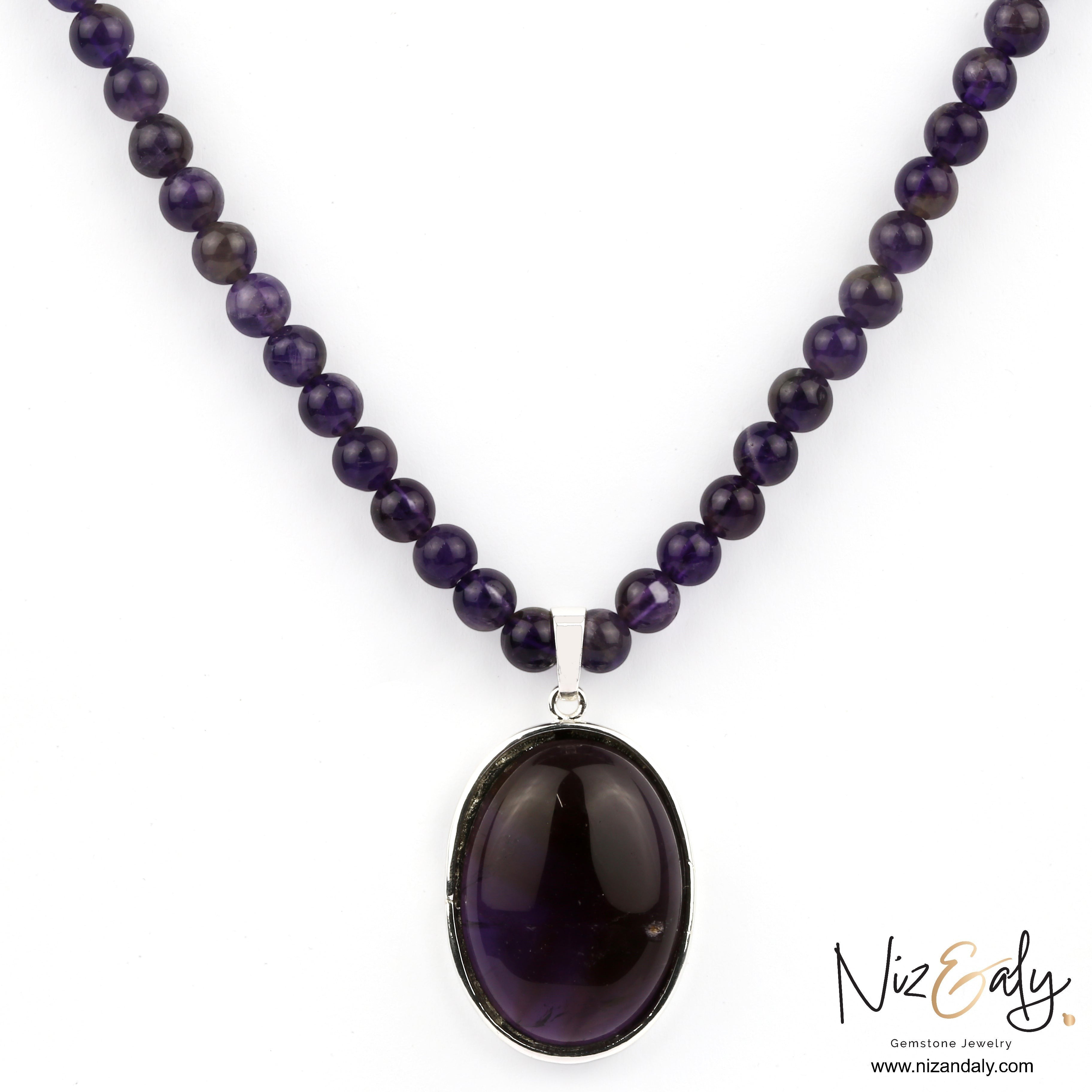
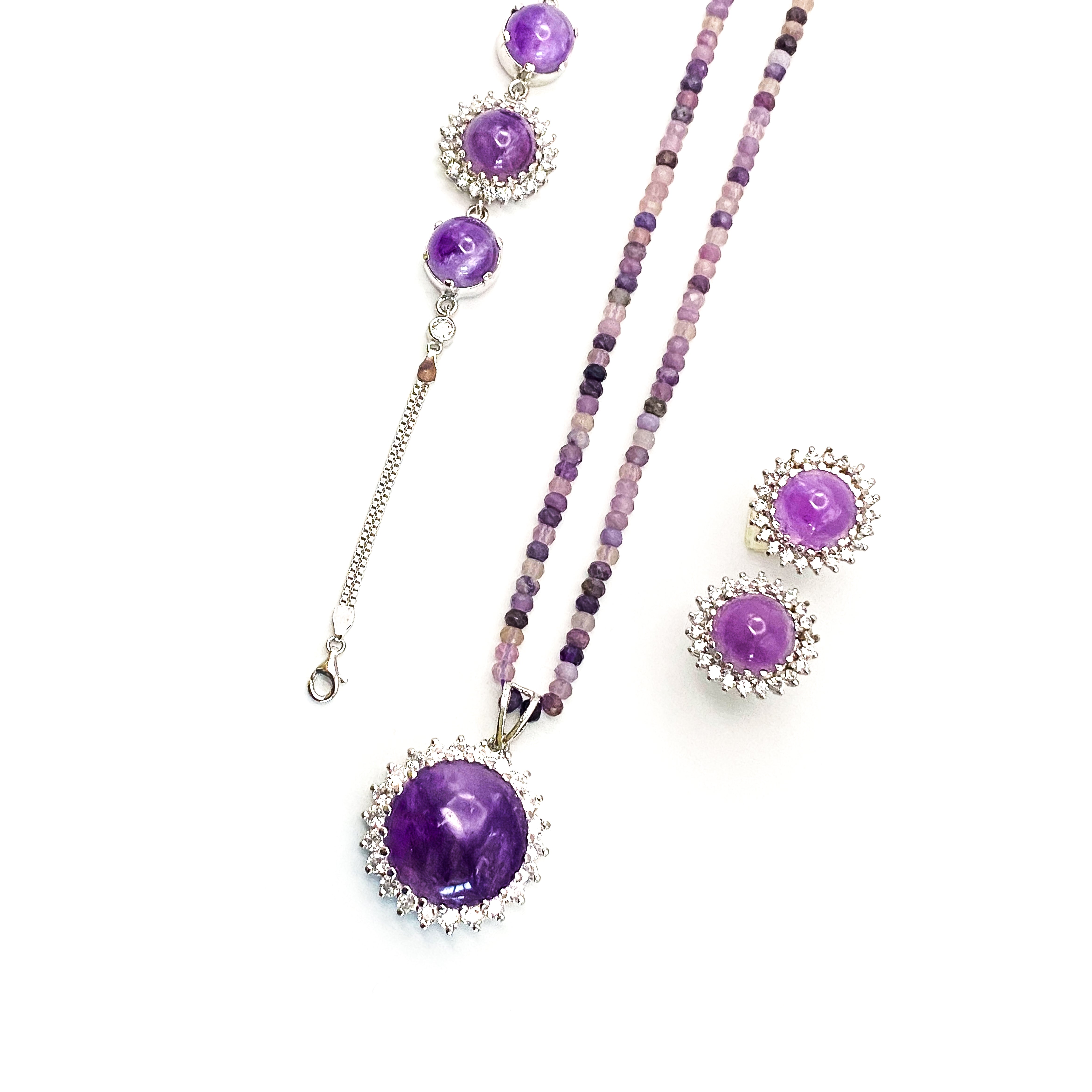
An amethyst pendant near the heart or throat is the classic choice for calm and clear communication. The violet color is surprisingly versatile: it warms up gold settings and turns cool and modern in silver. A raw (uncut) amethyst pendant gives boho energy; a faceted stone reads elegant and polished.
Bracelets
Beaded amethyst bracelets are perfect for daily stress relief — the stone stays visible and touchable all day. Stack with rose quartz for a "calm + self-love" combination, or with clear quartz, which is believed to amplify other stones.
Rings and Earrings
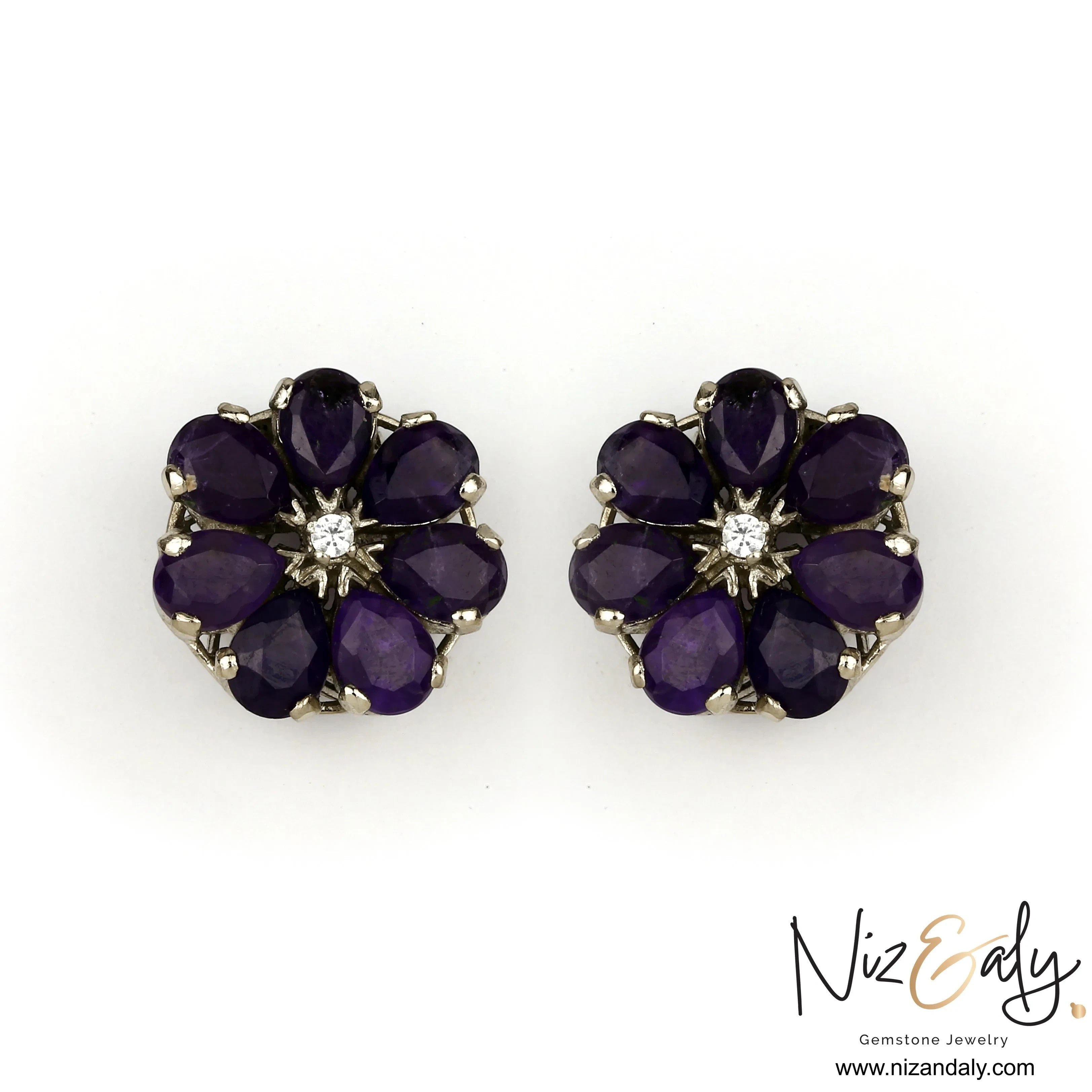
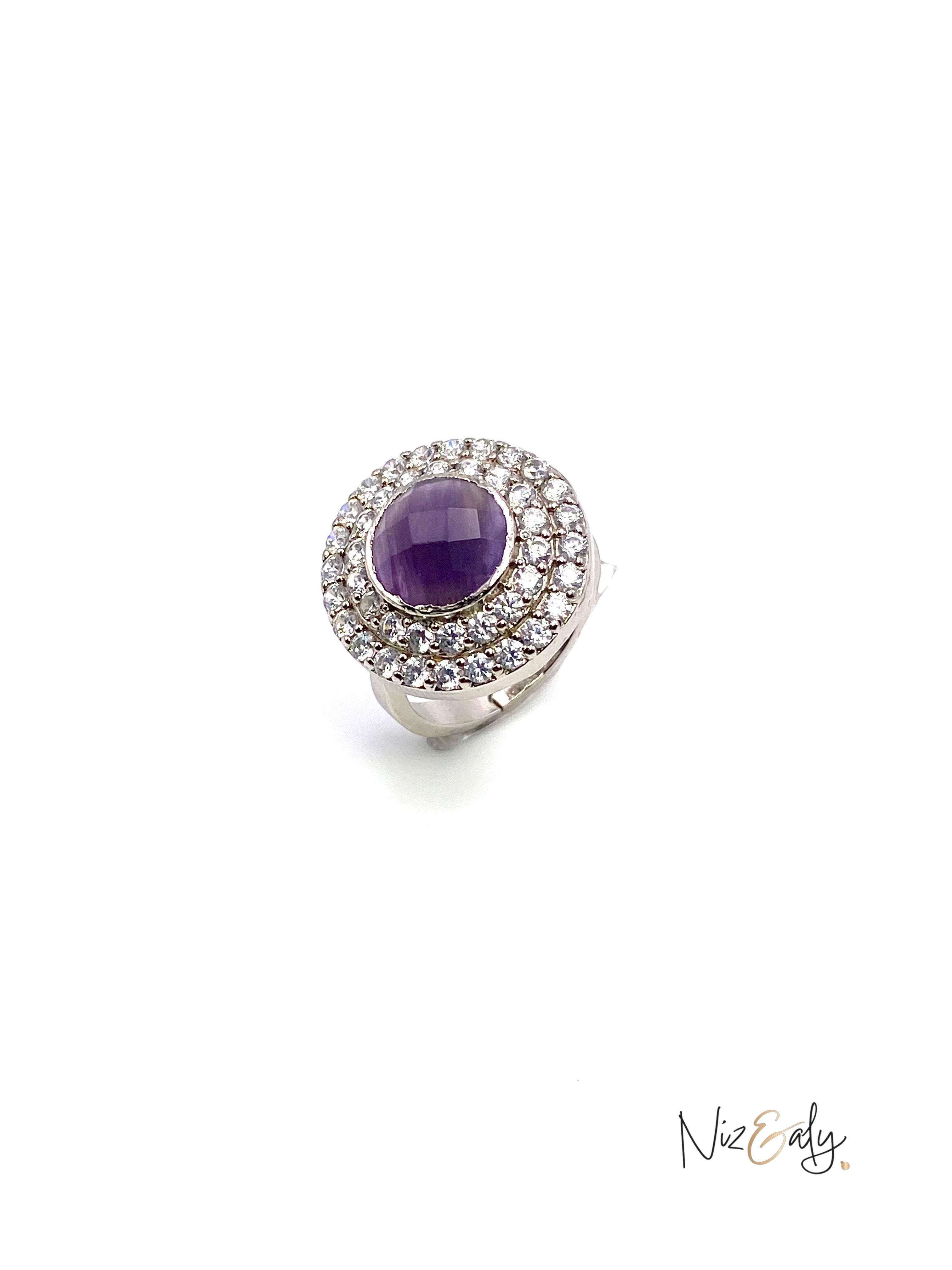
A faceted amethyst ring is a statement piece with royal history behind it. Amethyst studs are the subtle route — a soft touch of color that works with everything from office wear to weekend outfits.
Styling tip for gift buyers: Amethyst's purple flatters every skin tone and hair color, which makes it one of the safest gemstone gifts you can choose. When in doubt, go with a dainty pendant in the metal color she already wears most.
How to Cleanse and Care for Amethyst
Physical care:
- Clean with warm water, mild soap, and a soft cloth or brush
-
Keep it out of prolonged direct sunlight — UV exposure can fade amethyst's purple over time
- Avoid harsh chemicals and extreme heat
- Store separately from harder stones (like diamonds) to prevent scratches
Energetic cleansing (if it's part of your practice):
- Rinse under cool running water
- Cleanse with sage or palo santo smoke
- Charge under moonlight — never sunlight, to protect the color
That sunlight rule is the one care tip amethyst owners most often learn the hard way. A windowsill display spot will slowly turn a deep violet stone pale.
How to Spot Real Amethyst vs. Fake
Amethyst is affordable, but glass fakes still circulate. Here's your checklist:
-
Look for color zoning: Natural amethyst almost always shows subtle color variation — lighter and darker areas within the stone. Perfectly uniform color throughout can signal glass or synthetic material.
-
Check for bubbles: Tiny round air bubbles inside the stone mean glass. Natural quartz has angular inclusions, not bubbles.
-
Temperature test: Real amethyst feels cool and warms slowly in your hand. Glass warms almost instantly.
-
Hardness: At 7 on the Mohs scale, amethyst resists scratching. Glass scratches more easily.
-
Price sanity check: Amethyst is reasonably priced, but a "deep Siberian purple" stone for pennies is a red flag.
-
Buy from sellers who disclose: Trustworthy jewelers will tell you if a stone is natural, heat-treated (common and accepted), or synthetic.
Final Takeaway
Amethyst has spent two millennia earning its title as the stone of calm and clarity — trusted by Greek philosophers, medieval bishops, and modern meditators alike. Whether you're drawn to its soothing reputation or simply can't resist that violet glow, amethyst is one of the rare gemstones that delivers beauty, meaning, and history at a price almost anyone can afford.
Ready to bring a little calm into your day? Explore our handcrafted amethyst collection — genuine stones, designed to be worn every day, wherever your mind needs a moment of peace.
Checkout the Amethyst Jewelry ->