Tanzanite Gemstone Guide: Meaning, Color, History, Value & Jewelry Care
Few gemstones have a color quite like tanzanite. Moving between rich blue, violet and bluish purple, tanzanite can appear different as the gemstone moves and catches the light.
But its remarkable color is only part of its story.
Unlike gemstones that are found in several countries, tanzanite has a remarkably restricted origin. It is commercially mined in the Merelani Hills of northern Tanzania, near Mount Kilimanjaro. Tanzanite is the blue-to-violet variety of the mineral zoisite and was discovered relatively recently, in 1967.
Today, tanzanite is also recognized as a December birthstone, making tanzanite jewelry particularly meaningful for December birthdays as well as anyone drawn to distinctive blue and violet gemstones.

What Is Tanzanite?
Tanzanite is a variety of the mineral zoisite known for colors ranging from violet-blue and bluish violet to violet-purple. According to the Gemological Institute of America (GIA), tanzanite has a Mohs hardness of approximately 6 to 7.
One of the most fascinating characteristics of tanzanite is an optical property called pleochroism.
This means the gemstone can display different colors when viewed from different directions. Depending on the stone, its cut, orientation and lighting, you may notice beautiful shifts between blue and violet tones.
It is one reason tanzanite jewelry can look particularly striking when seen in person or moving under natural light.

Where Does Tanzanite Come From?
Tanzanite's geographic origin makes its story unusual.
Commercial tanzanite comes from the Merelani Hills in northern Tanzania, and the gemstone takes its name from the country where it was discovered.
Violet-blue zoisite crystals were discovered in the foothills of Mount Kilimanjaro in 1967. The Smithsonian notes that Tiffany & Co. began marketing the blue-violet zoisite gemstone under the name tanzanite in 1968.
That makes tanzanite a relative newcomer compared with gemstones that have been worn for centuries.

Why Is Tanzanite Blue and Violet?
Tanzanite is especially admired for its spectrum of blue, violet and purple tones.
The exact appearance can vary considerably from one stone to another. Deep, saturated violet-blue or blue-violet colors are generally considered especially desirable, while lighter tanzanites can have softer lavender and pastel-blue appearances.
The gemstone's pleochroism also means its appearance can change as you turn it.
This makes pieces such as tanzanite necklaces, earrings and rings particularly interesting under changing light because the gemstone does not necessarily appear as one flat shade of blue.

Is Tanzanite a December Birthstone?
Yes. Tanzanite is one of the recognized birthstones for December.
This makes tanzanite jewelry an attractive gift option for:
- December birthdays
- Birthstone jewelry collectors
- Special anniversaries
- Milestone celebrations
- Anyone who loves blue and violet gemstones
GIA also identifies tanzanite as a gemstone associated with the 24th wedding anniversary.

What Does Tanzanite Symbolize?
In modern gemstone and jewelry traditions, tanzanite is often associated with ideas such as transformation, intuition, individuality and new beginnings.
These associations are symbolic traditions rather than scientifically established effects, but they have helped make tanzanite popular for meaningful gifts and milestone jewelry.
Its relatively recent discovery and distinctive origin also give it a different character from many traditional birthstones.
For someone choosing jewelry for its personal significance, tanzanite can therefore represent a new chapter, important transition or memorable occasion.
What Makes Tanzanite Valuable?
There isn't one characteristic that determines the quality or value of a tanzanite.
Like many colored gemstones, several factors matter.
Color is particularly important. GIA notes that deep, saturated violet-blue and blue-violet colors are among the most valued.
Clarity matters as well. Eye-visible inclusions can affect value, particularly in lighter-colored stones where they may be easier to see.
Cut can dramatically influence the gemstone's appearance. Because tanzanite is pleochroic, the orientation chosen by the cutter influences whether the finished gemstone appears predominantly blue, violet or bluish purple.
Finally, carat weight and color can interact. Larger tanzanites may show stronger color saturation than many small stones.
This means two tanzanite gemstones of similar size do not necessarily have the same appearance or value.
Is Tanzanite Rare?
What makes tanzanite particularly unusual is its single geographic source.
GIA states that tanzanite has only one source: the Merelani Hills in northern Tanzania.
Rather than using exaggerated claims about future supply or investment value, the more useful way to understand its rarity is that gem-quality tanzanite has a much more geographically restricted source than gemstones that are mined across numerous countries.
That limited origin is an important part of tanzanite's appeal to gemstone collectors.
Is Tanzanite Naturally Blue?
There is an important detail buyers should understand.
Much of the tanzanite sold in the jewelry market is heat treated to develop or enhance its characteristic blue-to-violet appearance. GIA describes heat treatment of tanzanite as routine and notes that the resulting treatment is stable.
Heat treatment alone therefore should not automatically be interpreted as meaning that a tanzanite is artificial.
When purchasing gemstone jewelry, however, buyers should still ask the seller for accurate information about the gemstone and any known treatments.

Tanzanite vs Sapphire: What's the Difference?
At first glance, deep-blue tanzanite can sometimes resemble sapphire, but they are different gemstones.
Tanzanite is a variety of zoisite, while sapphire belongs to the corundum mineral family.
They also differ significantly in durability. Tanzanite measures approximately 6–7 on the Mohs hardness scale and has fair-to-poor toughness, making it more vulnerable to scratching and impact than sapphire.
Tanzanite's appeal instead comes from its distinctive blue-violet color, pleochroism and geographically restricted origin.
Can You Wear Tanzanite Jewelry Every Day?
Tanzanite requires more care than harder gemstones.
GIA gives tanzanite a hardness of 6 to 7 on the Mohs scale and notes that it can be worn in different types of jewelry when protected from rough wear and hard blows.
Tanzanite earrings and pendants are therefore particularly practical because they are generally less exposed to knocks than rings.
Tanzanite rings can certainly be worn, but they deserve greater care—especially rings with prominent stones.
Remove tanzanite jewelry before activities such as exercise, gardening, heavy cleaning or other work where the gemstone could receive a hard impact.

How to Clean Tanzanite Jewelry
Proper cleaning can help preserve the appearance of your tanzanite jewelry.
GIA recommends warm, soapy water for cleaning tanzanite and advises against ultrasonic and steam cleaners.
A simple routine is best:
- Prepare warm water with a small amount of mild soap.
- Gently clean the jewelry without aggressive scrubbing.
- Rinse carefully.
- Dry it with a clean, soft cloth.
- Store the piece separately from harder jewelry.
Avoid exposing tanzanite to sudden temperature changes or very high temperatures.
How Should You Store Tanzanite Jewelry?
Because harder gemstones and metals can scratch softer materials, keeping jewelry pieces separated is a sensible precaution.
Store your tanzanite jewelry in a soft pouch, lined jewelry box or individual compartment.
Avoid simply placing a tanzanite ring or pendant loose in a box alongside harder gemstone jewelry.
Taking a little extra care is especially worthwhile for larger tanzanite stones and elaborate settings.
Discover Lavender Blue Tanzanite
Tanzanite doesn't have to be intensely dark blue to be beautiful.
Lighter stones can reveal delicate combinations of lavender, violet and cool blue, creating a softer appearance that changes subtly as the jewelry moves.
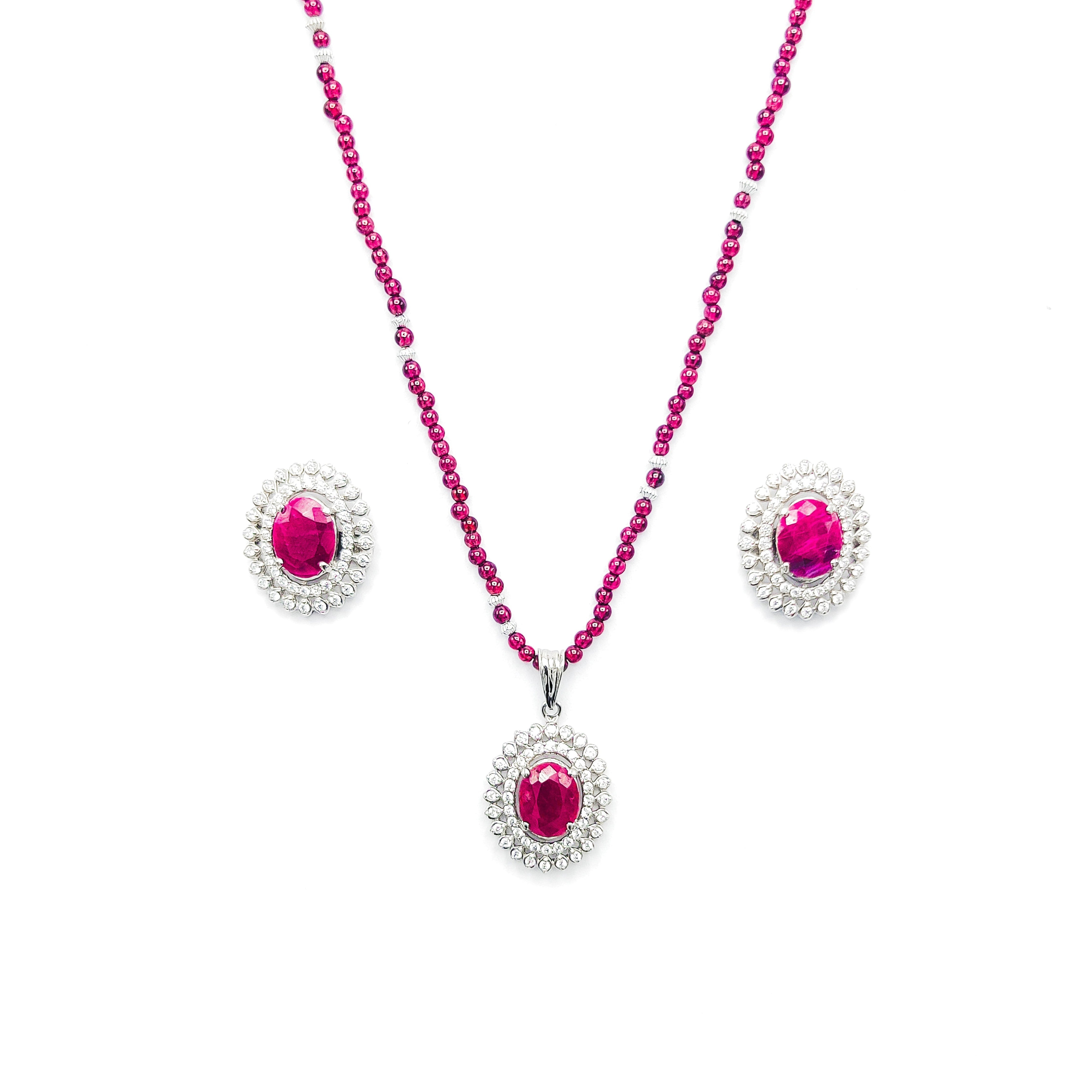
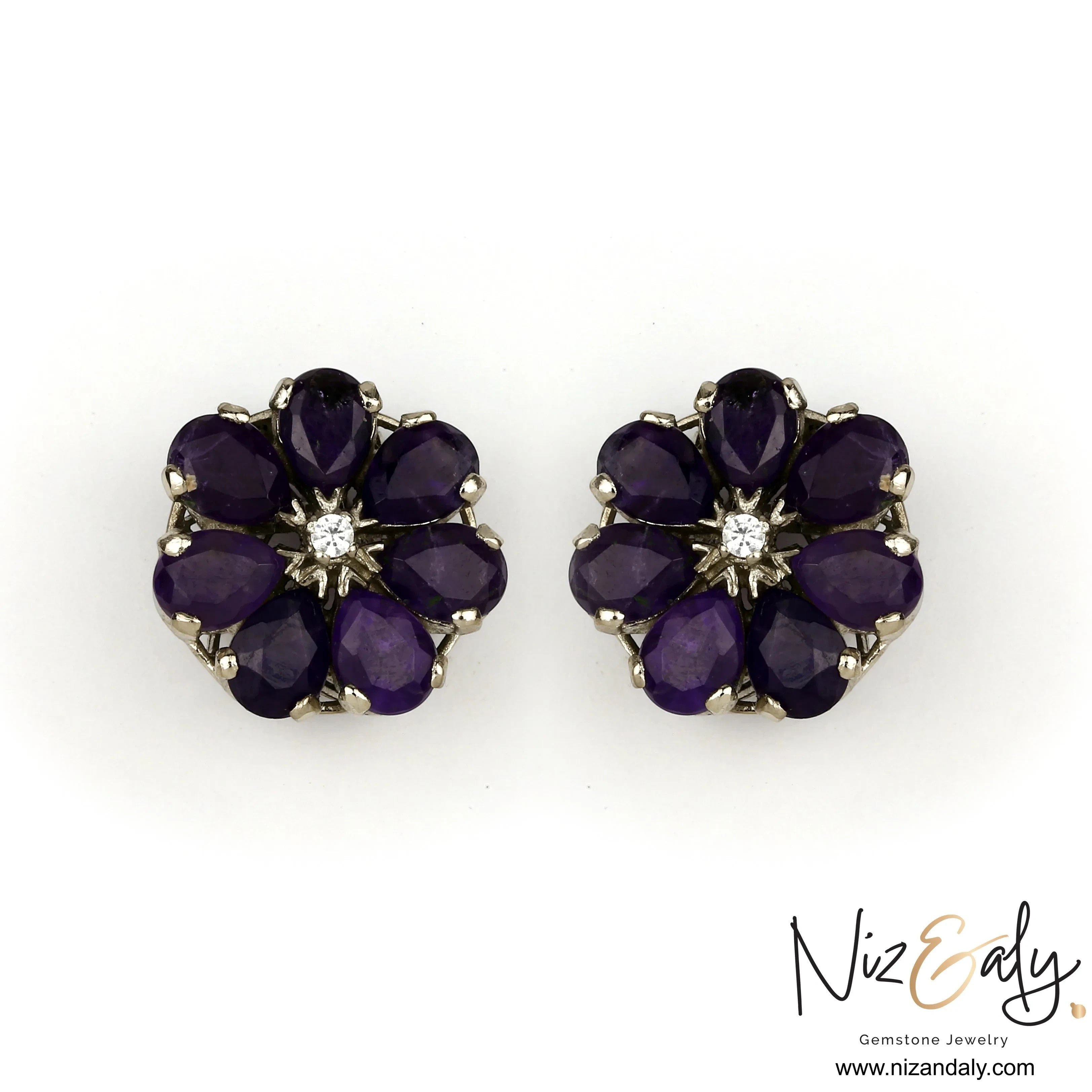
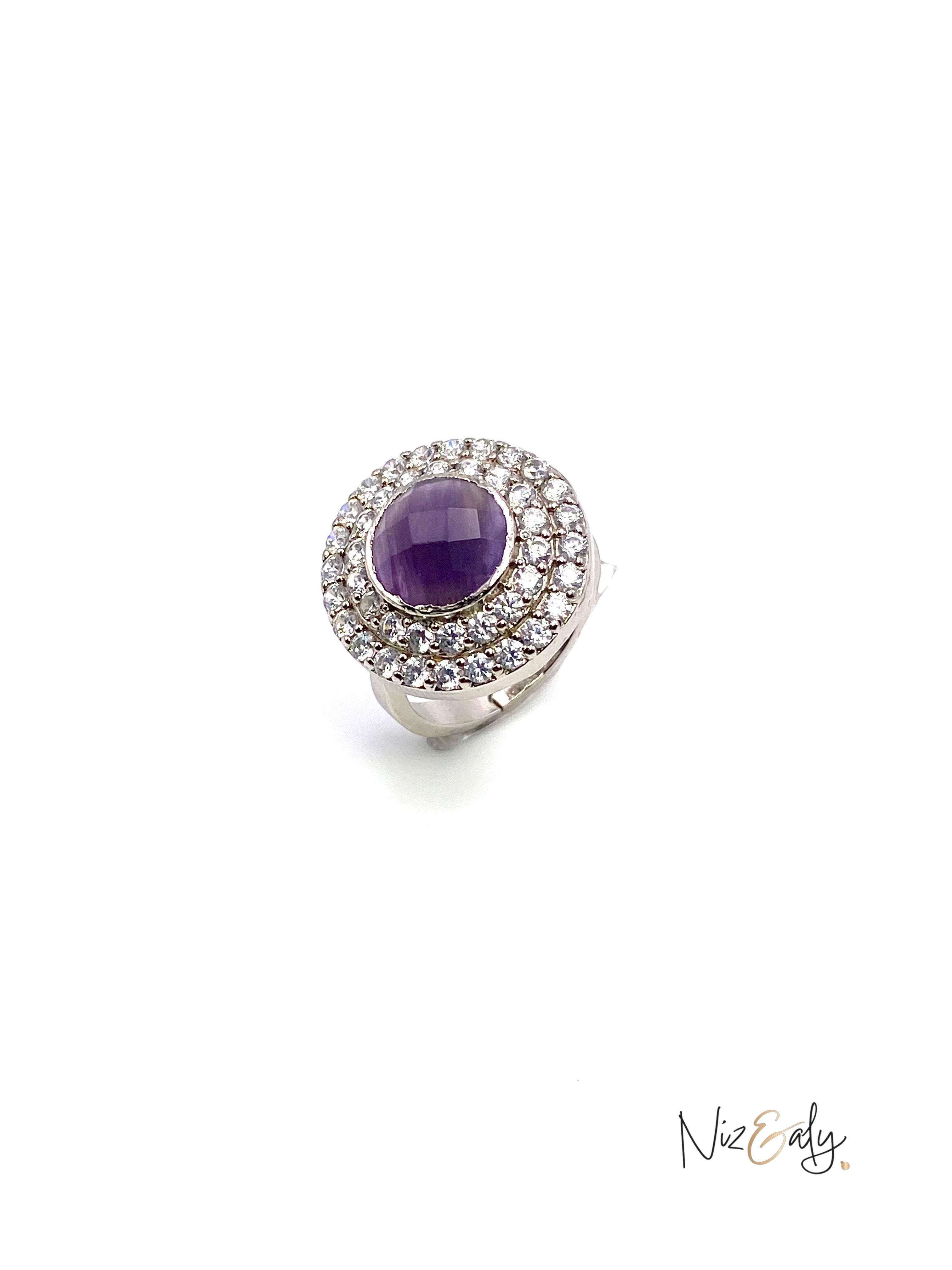
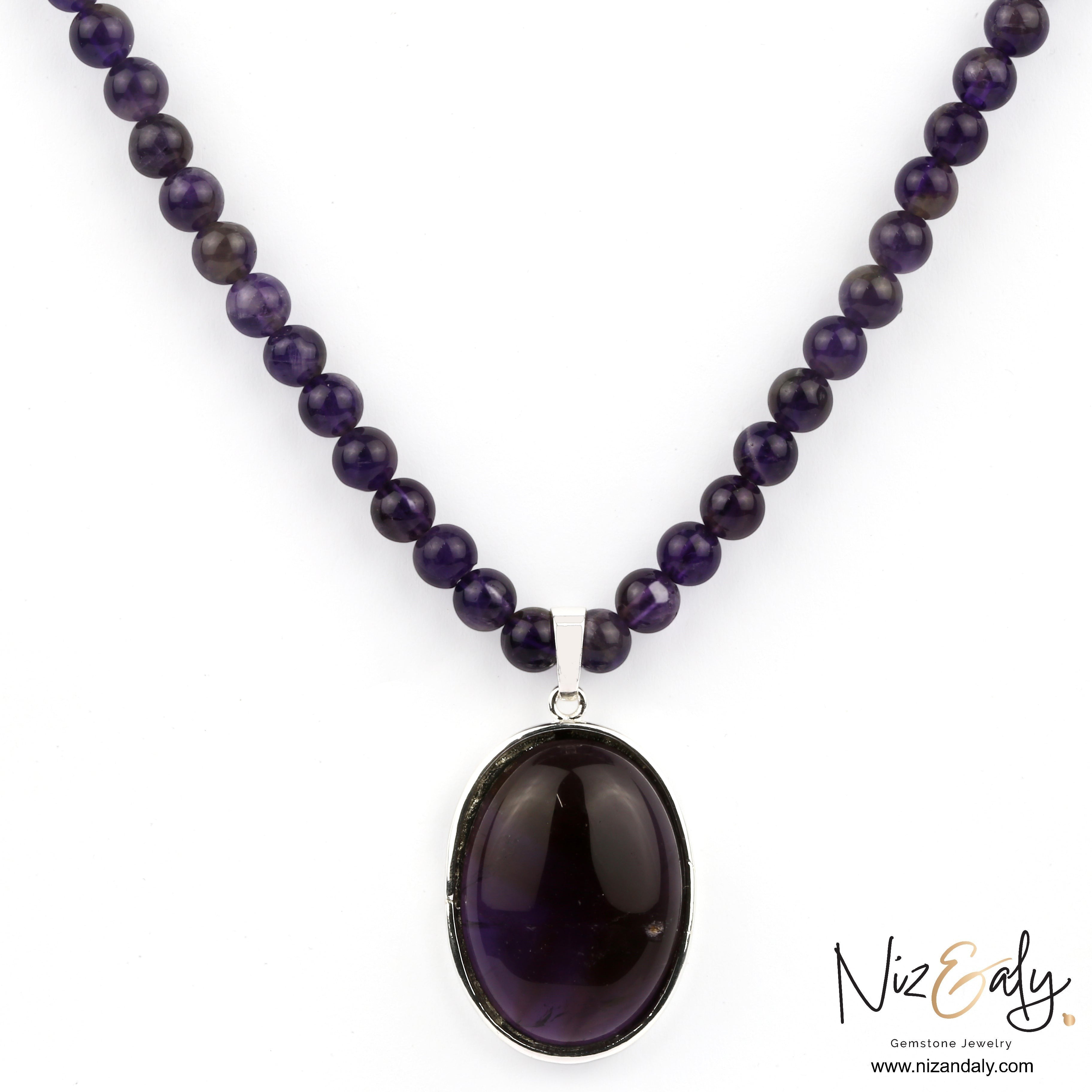
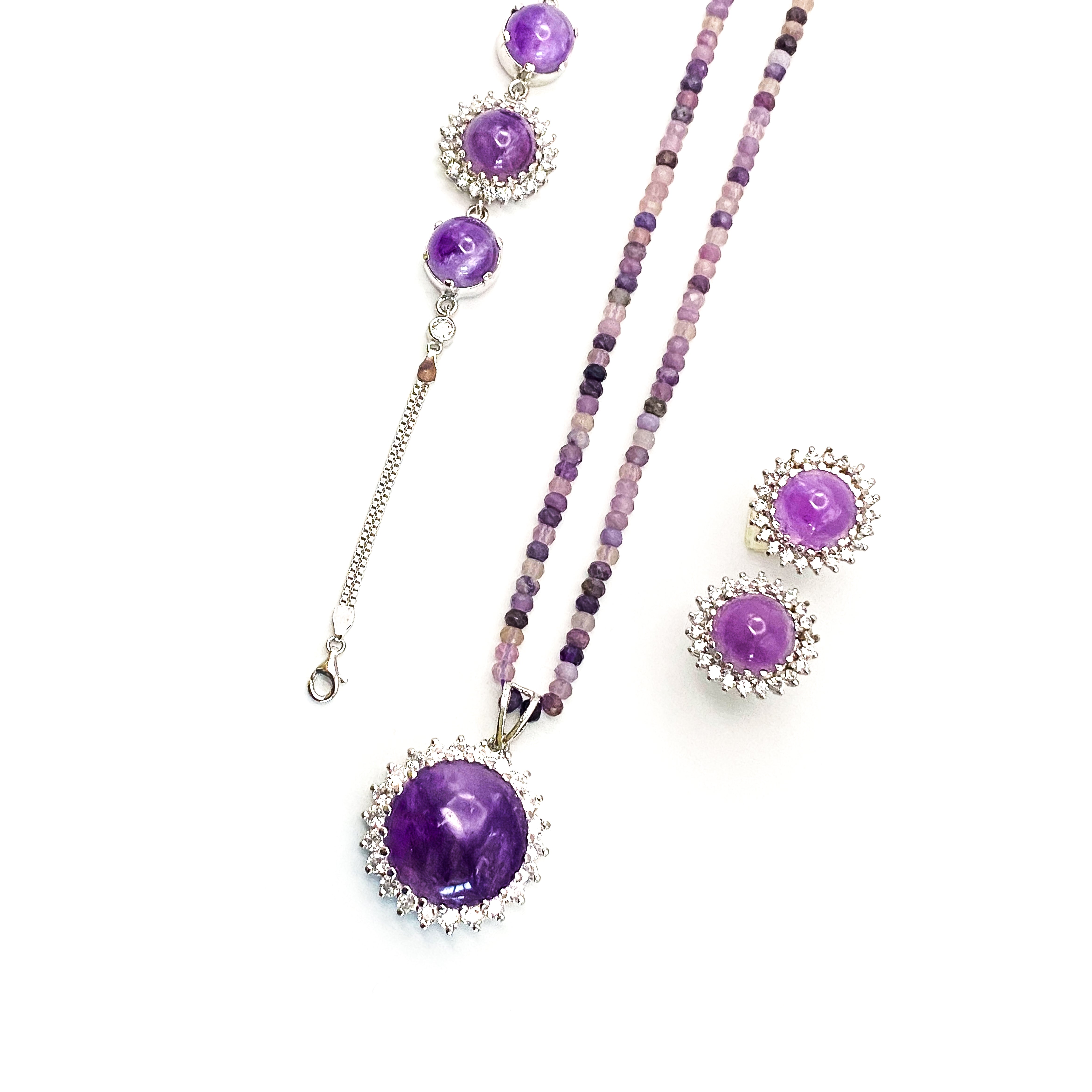
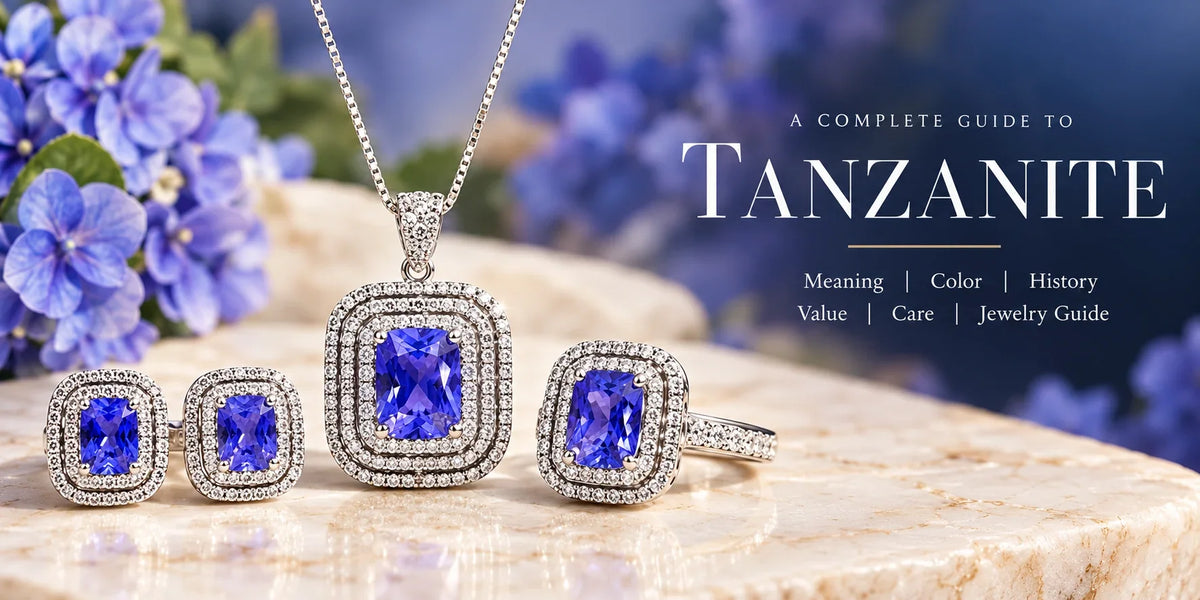
The Niz & Aly Lavender Blue Tanzanite Set brings this color into a coordinated design featuring a statement pendant, matching earrings and ring, surrounded by layers of sparkling detail.
For someone looking for a complete tanzanite jewelry set rather than an individual piece, the matching design creates a consistent look while allowing each gemstone to remain the focal point.
CHECKOUT OUR TANZANITE COLLECTION
A Gemstone Unlike Any Other
From its single geographic source in Tanzania to its shifting blue and violet color, tanzanite has qualities that distinguish it from more familiar blue gemstones.
Whether chosen as a December birthstone, a meaningful gift, or simply for its distinctive color, tanzanite offers an unusual combination of modern gemstone history and striking visual character.
And when the stone moves under the light, its changing blue-violet appearance shows exactly why tanzanite has become such a recognizable gemstone.