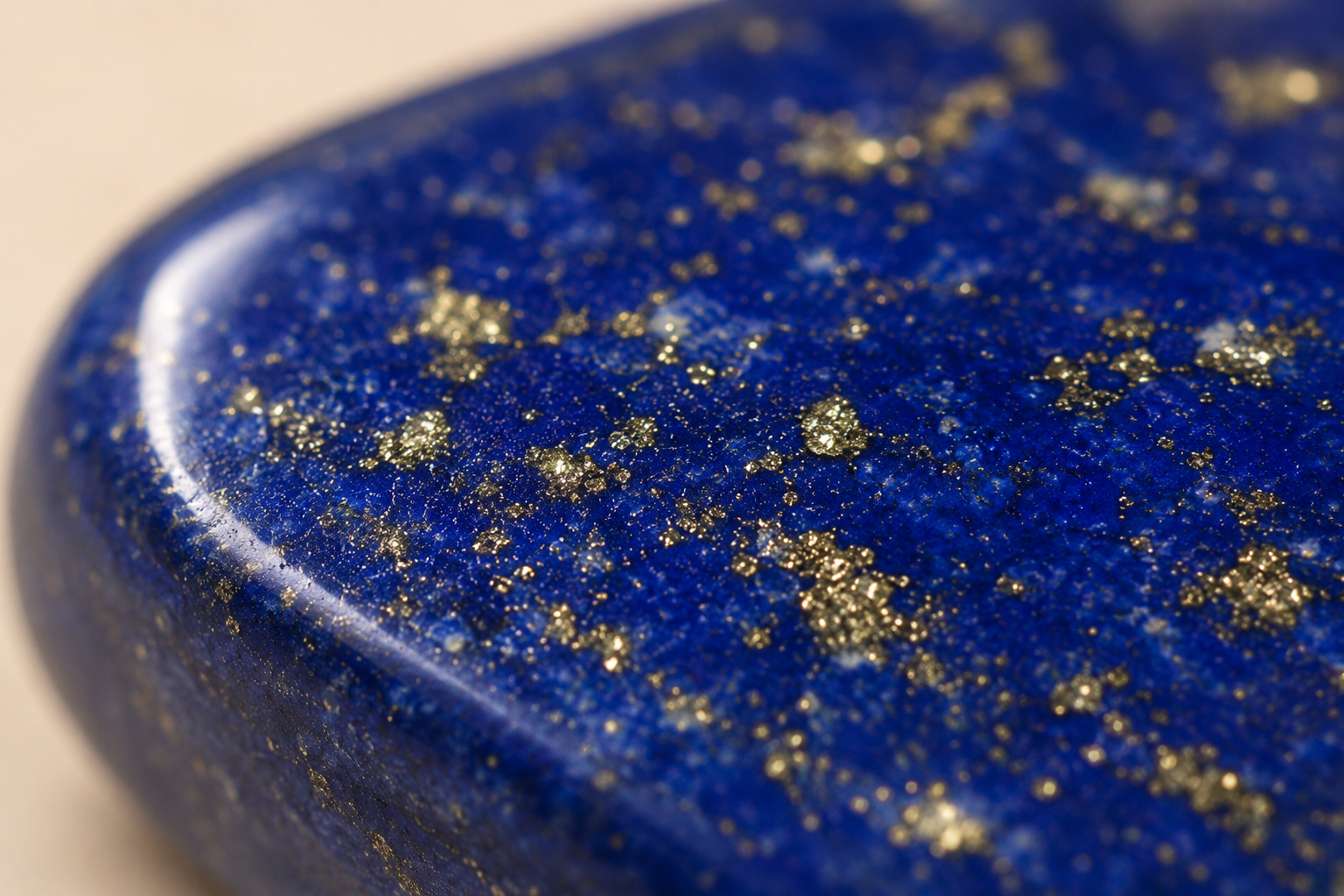
Some gemstones whisper. Lapis lazuli speaks.
This deep celestial blue stone, flecked with golden pyrite like stars in a night sky, was once worth more than gold. Cleopatra ground it into eyeshadow. Michelangelo's contemporaries crushed it into the ultramarine paint that colored Renaissance masterpieces. Pharaohs were buried with it.
Today, lapis lazuli is prized as the stone of wisdom, truth, and confident self-expression — and unlike in Cleopatra's time, you don't need a royal treasury to wear it. In this guide, you'll learn what lapis lazuli means, why nearly every ancient civilization treasured it, who should wear it, and how to tell genuine lapis from the fakes flooding the market.
What Is Lapis Lazuli?
Lapis lazuli isn't a single mineral — it's a rock composed mainly of lazurite (which gives the intense blue), with calcite (white streaks) and pyrite (the signature gold flecks). The finest lapis is deep, uniform royal blue with a light dusting of gold.
Quick facts:
-
Composition: Lazurite, calcite, and pyrite
-
Hardness: 5–5.5 on the Mohs scale — softer than quartz, needs a little care
-
Main source: Afghanistan's Badakhshan mines, worked for over 6,000 years — the oldest continuously operating mines on Earth
-
Birthstone association: Traditional stone for September; also linked to Sagittarius
-
Chakra: Throat and third eye (communication and insight)
The name comes from the Latin lapis (stone) and the Persian lazhward (blue) — literally, "blue stone." Sometimes the oldest names are the most honest.

Lapis Lazuli Meaning: The Core Symbolism
Wisdom and Truth
Lapis lazuli is known above all as the "stone of wisdom." Across cultures, its deep blue was associated with the heavens, the divine, and hidden knowledge. Judges and priests in ancient Sumer wore it as a mark of truth and discernment.
In modern crystal traditions, lapis is the stone you reach for when you need to see a situation clearly — and be honest with yourself about what you find.
Practical tip: Wearing lapis before difficult conversations — a salary negotiation, a hard talk with a friend — is a popular ritual. The stone won't speak for you, but it serves as a tangible reminder of your intention: say the true thing, calmly.
Self-Expression and Communication
Lapis lazuli is strongly tied to the throat chakra — the energy center of voice and expression. It's a favorite of writers, teachers, singers, and anyone whose work depends on being heard clearly.
If you tend to swallow your opinions or freeze when it's your turn to speak, lapis is traditionally the stone for you. A lapis pendant worn at the throat is the classic placement for this purpose.
Inner Vision and Confidence
The golden pyrite flecks in lapis were seen by the ancients as stars — a night sky you could hold. That cosmic association gave lapis its reputation for insight, intuition, and self-knowledge: seeing your own depths as clearly as the heavens.
There's also a simpler confidence effect that any jewelry lover knows: it's hard to feel invisible wearing a stone this striking. Lapis makes a statement before you say a word.
Lapis Lazuli Through History
Few stones have a résumé like this:
-
Ancient Egypt: Ground into cosmetics (Cleopatra's famous blue eyeshadow), carved into scarabs and amulets, and inlaid into King Tutankhamun's burial mask.
-
Mesopotamia: The Epic of Gilgamesh — one of humanity's oldest stories — mentions lapis lazuli repeatedly as the ultimate treasure.
-
Renaissance Europe: Crushed into ultramarine, the most expensive pigment in history. Painters reserved it for the robes of the Virgin Mary — nothing less sacred justified the cost.
-
Persia and the Silk Road: Traded for millennia as a stone of royalty and protection from the evil eye.
-
Michelangelo and Vermeer both used ultramarine made from lapis — Girl with a Pearl Earring's headscarf owes its blue to this stone.
When you wear lapis lazuli, you're wearing the same blue that colored the tombs of pharaohs and the ceilings of cathedrals.

Who Should Wear Lapis Lazuli?
Lapis lazuli is a strong fit if you:
- Work with your voice or words — teaching, sales, writing, content creation, leadership
- Are practicing speaking up for yourself in relationships or at work
- Value honesty and clarity and want a stone that symbolizes both
- Love bold, statement jewelry — that royal blue with gold flecks is unmistakable
- Are drawn to stones with deep history — nothing on Earth beats 6,000 years
It also makes a meaningful gift for graduates, new managers, and anyone stepping into a role where their voice matters more than ever.
How to Wear Lapis Lazuli Jewelry
Necklaces and Pendants
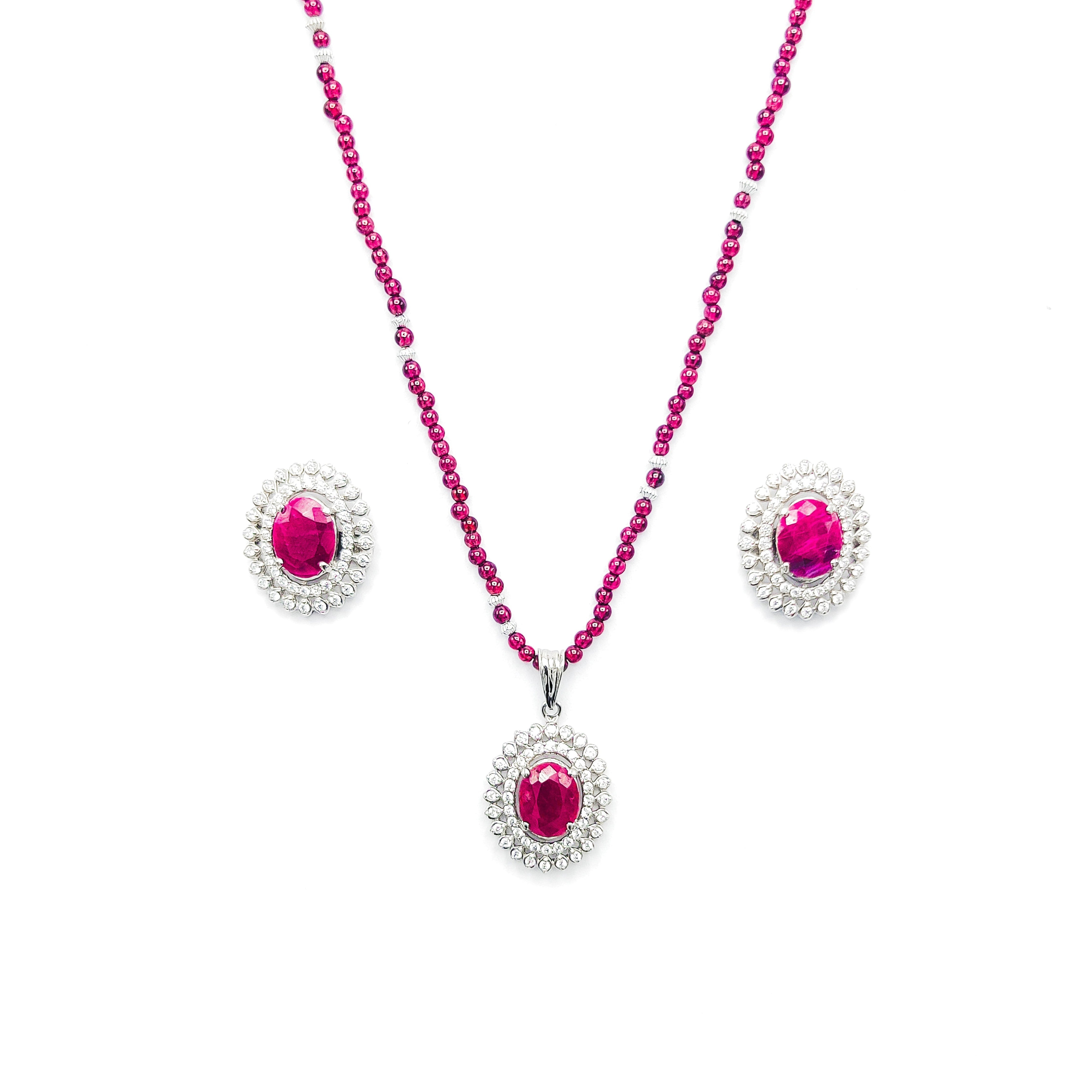
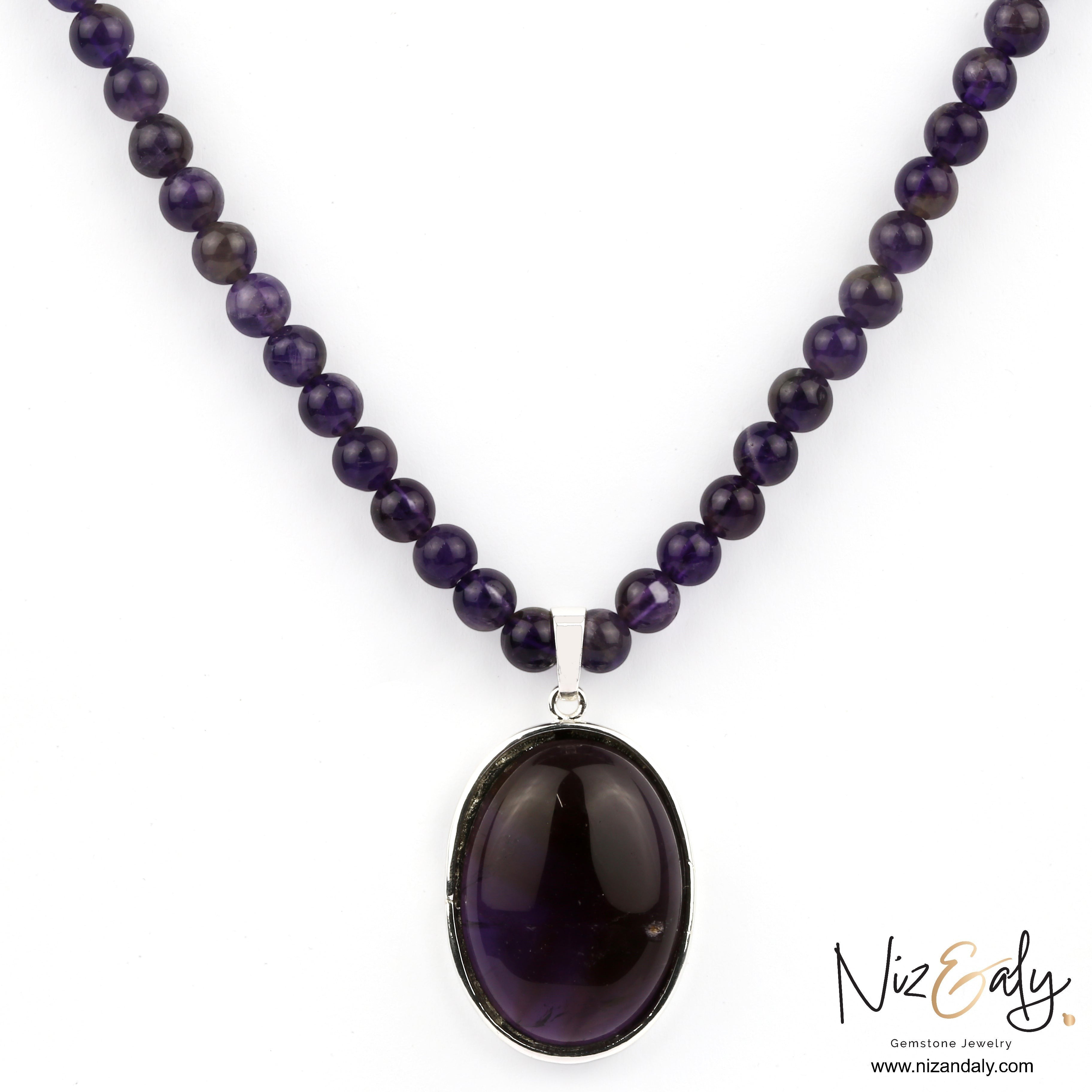
The throat is lapis's traditional home — a pendant at the collarbone aligns with its communication symbolism. Style-wise, deep blue with gold flecks is a natural partner for gold settings and chains; the pyrite inside the stone echoes the metal beautifully. Against a white shirt or a black dress, a lapis pendant is pure elegance.
Bracelets
Beaded lapis bracelets bring the stone's color into everyday casual wear. Stack with clear quartz for a clean look, or with tiger's eye for a blue-and-gold combination that's especially popular in men's jewelry — lapis is one of the most-worn stones for men, alongside black onyx.
Rings and Earrings
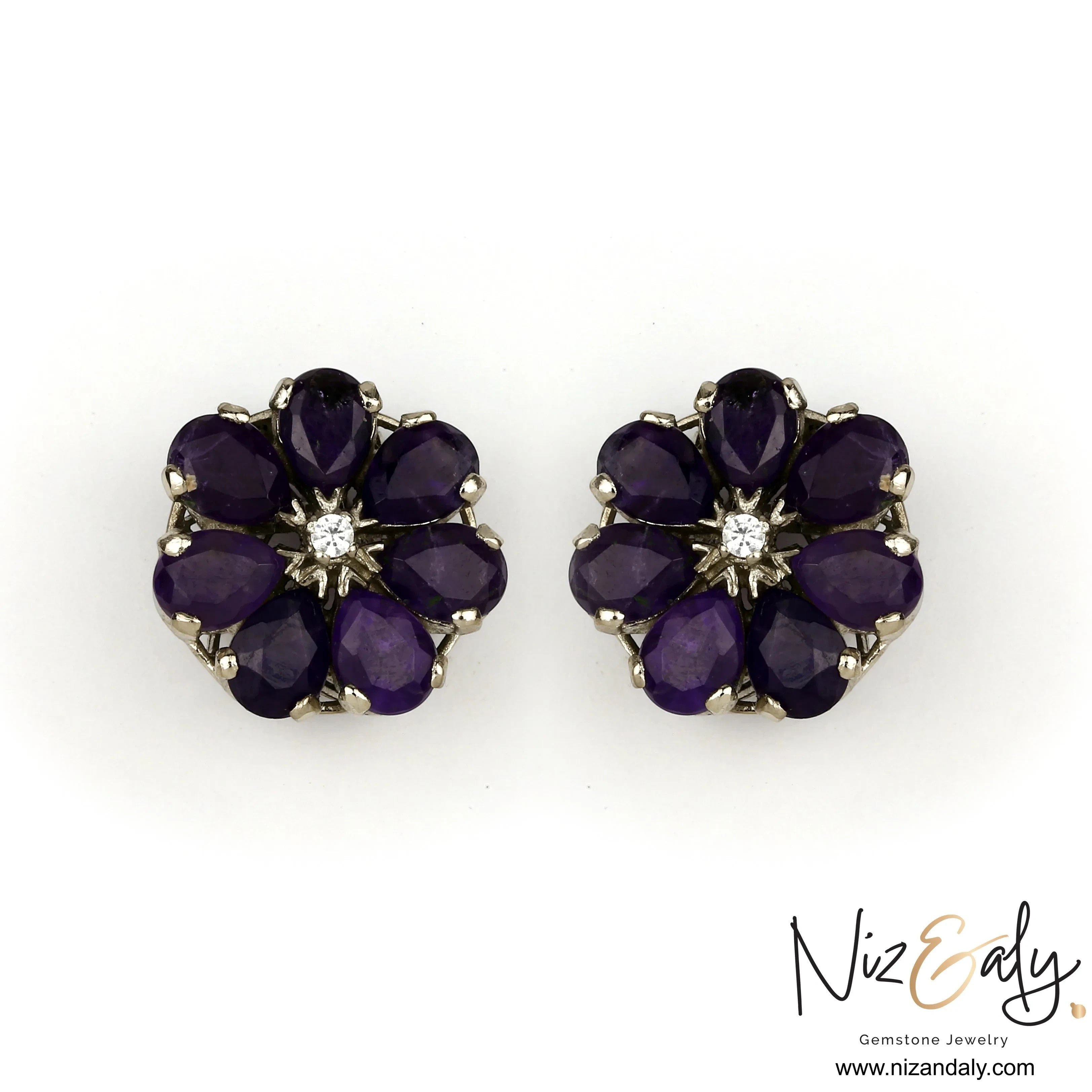
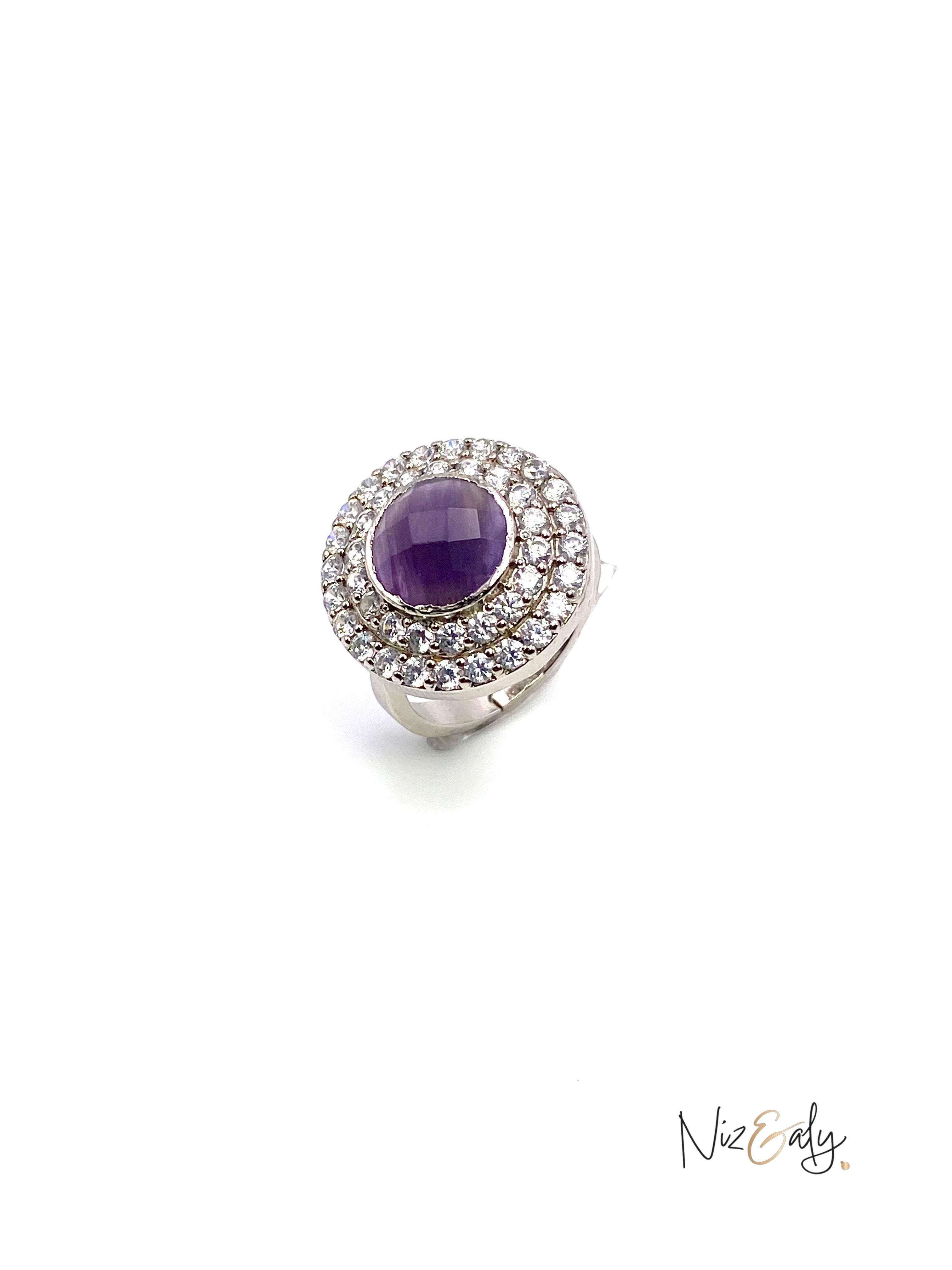
A lapis cabochon ring is old-world royalty on your hand — this is how Sumerian judges and Roman senators wore it. Lapis stud earrings frame the face with color and pair especially well with blue eyes and silver or gray hair.
Styling tip for gift buyers: Lapis reads slightly bolder and more "collector's stone" than amethyst or rose quartz. It suits people with confident personal style — or people you want to feel more confident.
How to Cleanse and Care for Lapis Lazuli
Lapis is softer than quartz (5–5.5 Mohs), so it needs slightly gentler treatment:
Physical care:
- Wipe clean with a soft, slightly damp cloth — avoid soaking
-
Never use ultrasonic cleaners, steam, or harsh chemicals — they can damage the stone and its polish
- Remove lapis rings before dishes, gym sessions, or gardening
- Store separately in a soft pouch — harder stones will scratch it
- Avoid prolonged direct sunlight, which can dull the blue over time
Energetic cleansing (if it's part of your practice):
- Smoke cleansing with sage or palo santo (the safest method for lapis)
- Charge under moonlight
-
Avoid water and salt cleansing — lapis is porous, and both can degrade it
That "no long water exposure" rule is the single most important care tip for lapis owners.

How to Spot Real Lapis Lazuli vs. Fake
Because fine lapis is valuable, fakes are common — usually dyed howlite, dyed jasper ("Swiss lapis"), or plastic. Your checklist:
-
Look for pyrite: Genuine lapis almost always shows gold metallic flecks. Fakes often have painted-on gold glitter (too uniform, sits on the surface) or none at all.
-
Check the color depth: Real lapis is deep royal blue, often with slight natural variation and white calcite streaks. Dyed howlite tends toward a flat, slightly purple-blue with visible gray veining underneath.
-
The acetone test (for loose stones): Wipe with a cotton swab dipped in nail polish remover — dye will transfer to the swab, genuine color won't. (Don't do this on finished jewelry; ask the seller instead.)
-
Temperature and weight: Real lapis feels cool and dense. Plastic feels warm and light.
-
Price sanity check: Top-grade Afghan lapis commands real prices. "AAA deep blue lapis" for a dollar or two is dyed something-else.
-
Buy from sellers who disclose: Honest jewelers will tell you the origin and whether the stone is natural or dyed.
Final Takeaway
For 6,000 years, lapis lazuli has meant the same things: wisdom, truth, and the courage to speak both. It colored the tombs of pharaohs, the paintings of masters, and the robes of the divine — and now it's within reach of anyone who wants to carry a piece of that legacy.
If you've been waiting for a sign to start saying the true thing out loud, this deep blue stone has been that sign for six millennia.
Ready to find yours? Explore our handcrafted lapis lazuli collection — genuine stones with real pyrite gold, designed to be worn every day.
Shop Lapis Lazuli Jewelry